Skip to content
RigMyFishFind a Rig

How to Rig for Ballan Wrasse

Labrus bergylta

Ballan wrasse live among kelp and boulders on rocky coasts, crunching crabs and shellfish with thick lips and strong teeth. Fishing right in the rocks means snags, so anglers use strong hooks and tie the weight on a weak link that breaks free if it jams. They are slow-growing and many anglers release them, especially the bigger fish.

Answer at a glance
Best rig
Float Rig
Best bait
Hardback or peeler crab, prawn, or ragworm set just above the kelp off rock ledges
Where
jetty, pier, boat
Typical size
10–20 in
Season
Peak season: summer
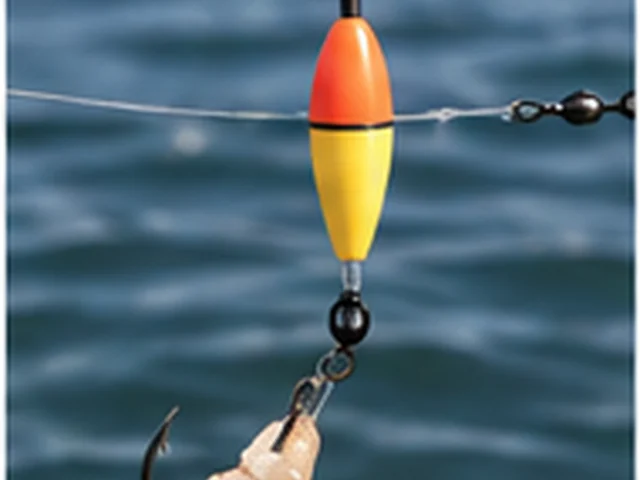
Realistic Float Rig fishing rig setup
#1 Best Match

Float Rig

intermediatepier · jetty · boat

A float suspends bait at a fixed depth instead of dragging it on the bottom, letting current or light wave action carry it naturally past holding fish. This is the standard technique for salmon and steelhead in rivers, fished with roe or beads under a pencil float, and for light-tackle pier species like jacksmelt, where a small float and a multi-hook leader with tiny bait covers a school as it drifts through. Use it whenever fish are holding off bottom rather than on it, or when you want a natural drift through a current seam without snagging.

  • Main line8-15 lb monofilament running through the float
  • Leader15-25 lb fluorocarbon
  • Leader length18-24in from the float to the hook, shorten in clear water, lengthen in off-color water
  • Hooks#2 - 1/0 strong hook
  • WeightSmall split shot on the leader, just enough to cock the float upright
  • Line to sinkerShot placed 8-12in above the hook, or spaced 2in apart in a cluster halfway down the leader for salmon
  • BaitHardback or peeler crab, prawn, or ragworm set just above the kelp off rock ledges
Open complete guide →
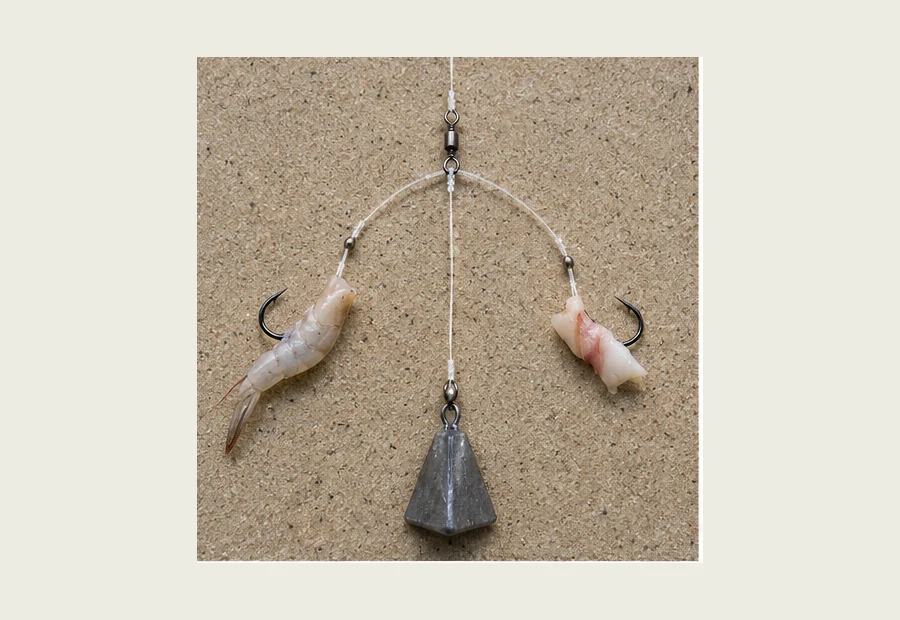
Realistic High-Low Rig fishing rig setup
High-Low Rig
Two hooks sit above a bottom weight so bait hovers just off the sand.
View rig →
Main line 20-30 lbSwivelHook snoodWeak link, 6-10 lbbreaks before the main lineOld weightRock and kelp
Rotten-Bottom Rig
The weight is tied on with a short piece of much lighter line, so if it jams in a crevice you pull, the weak link snaps, and you keep the rig and the fish.
View rig →
Source & regulation note

Technique guidance is educational. Seasons, size limits, bag limits, closures, and protected areas can change. Always verify the current rules before fishing or keeping fish.

Fishing regulations vary by location and season. Check current local regulations before fishing.

Last reviewed: 2026-09-26

Common Questions

What is the best rig for Ballan Wrasse?

The Float Rig is the top recommendation for Ballan Wrasse. A float suspends bait at a fixed depth instead of dragging it on the bottom, letting current or light wave action carry it naturally past holding fish. This is the standard technique for salmon and steelhead in rivers, fished with roe or beads under a pencil float, and for light-tackle pier species like jacksmelt, where a small float and a multi-hook leader with tiny bait covers a school as it drifts through. Use it whenever fish are holding off bottom rather than on it, or when you want a natural drift through a current seam without snagging.

What bait works for Ballan Wrasse?

Check the recommended rig cards above for bait notes specific to Ballan Wrasse.

When is the best time to catch Ballan Wrasse?

Peak season: summer. Typical size runs 10–20 in. Always check current regulations before keeping fish.

Where do you catch Ballan Wrasse?

Ballan Wrasse is caught while jetty, pier, boat fishing. Ballan wrasse live among kelp and boulders on rocky coasts, crunching crabs and shellfish with thick lips and strong teeth. Fishing right in the rocks means snags, so anglers use strong hooks and tie the weight on a weak link that breaks free if it jams. They are slow-growing and many anglers release them, especially the bigger fish.