Skip to content
RigMyFishFind a Rig

How to Rig for Australian Bass

Percalates novemaculeata

Australian bass live in coastal rivers of eastern Australia and are stocked in many dams, where they hold under overhanging trees, along weed beds, and around snags. They are aggressive surface feeders on summer evenings, so small surface lures and insect baits work well at dusk. Each winter adult fish move down to brackish estuaries to spawn.

Answer at a glance
Best rig
Float Rig
Best bait
Live shrimp, cricket, or cicada drifted along shaded banks and overhanging trees
Where
river, lake
Typical size
10–18 in
Season
Best from October to April. Bass migrate to brackish water to spawn in winter, and some rivers have winter catch-and-release rules. Southern Hemisphere seasons: summer is roughly December to February and winter June to August.
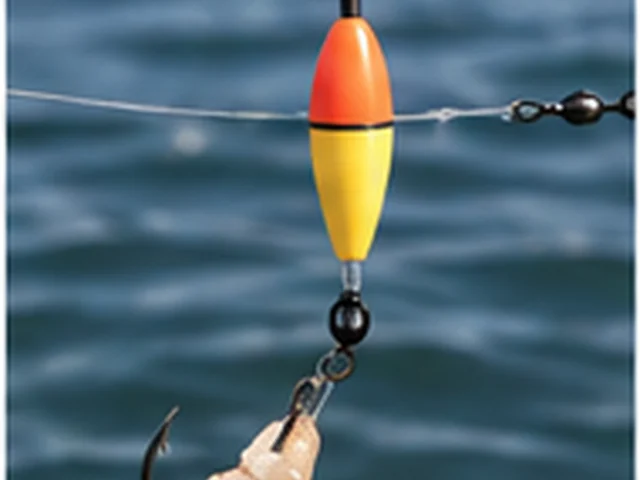
Realistic Float Rig fishing rig setup
#1 Best Match

Float Rig

intermediateriver · lake

A float suspends bait at a fixed depth instead of dragging it on the bottom, letting current or light wave action carry it naturally past holding fish. This is the standard technique for salmon and steelhead in rivers, fished with roe or beads under a pencil float, and for light-tackle pier species like jacksmelt, where a small float and a multi-hook leader with tiny bait covers a school as it drifts through. Use it whenever fish are holding off bottom rather than on it, or when you want a natural drift through a current seam without snagging.

  • Main line8-15 lb monofilament running through the float
  • Leader15-25 lb fluorocarbon
  • Leader length18-24in from the float to the hook, shorten in clear water, lengthen in off-color water
  • Hooks#4 - #1 hook
  • WeightSmall split shot on the leader, just enough to cock the float upright
  • Line to sinkerShot placed 8-12in above the hook, or spaced 2in apart in a cluster halfway down the leader for salmon
  • BaitLive shrimp, cricket, or cicada drifted along shaded banks and overhanging trees
Open complete guide →
Realistic Dropshot Rig fishing rig setup
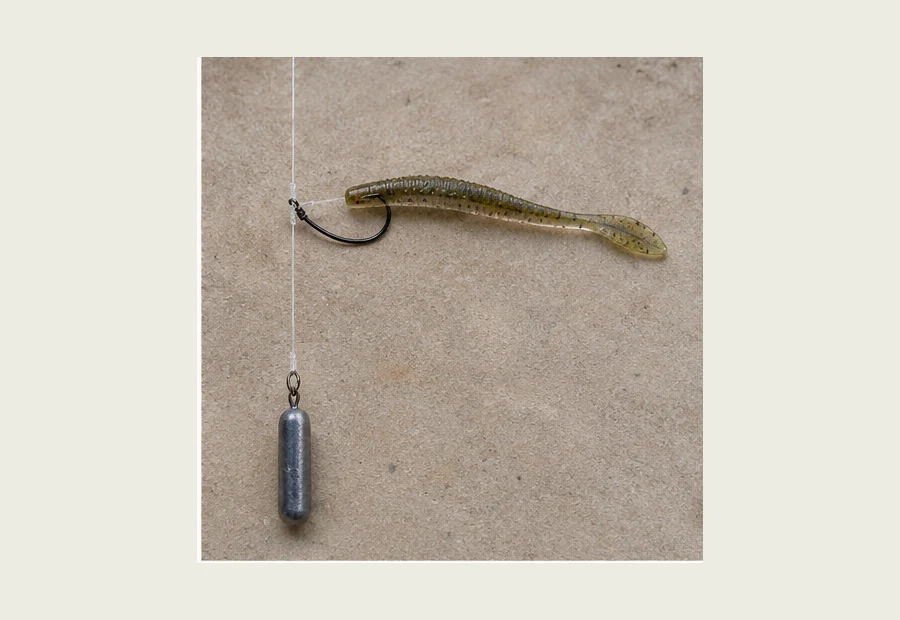
Dropshot Rig
The hook ties above the weight rather than below it, holding bait at a fixed height off bottom.
View rig →
Braid or light monoLeader knotLeaderJig head 1/16 - 1/2ozHook point upSoft plastic grub
Light Jig Head Rig
A small lead jig head threaded with a soft plastic grub or paddle-tail, cast out, allowed to sink, and lifted and dropped back toward the bottom.
View rig →
Source & regulation note

Technique guidance is educational. Seasons, size limits, bag limits, closures, and protected areas can change. Always verify the current rules before fishing or keeping fish.

Fishing regulations vary by location and season. Check current local regulations before fishing.

Last reviewed: 2026-09-26

Common Questions

What is the best rig for Australian Bass?

The Float Rig is the top recommendation for Australian Bass. A float suspends bait at a fixed depth instead of dragging it on the bottom, letting current or light wave action carry it naturally past holding fish. This is the standard technique for salmon and steelhead in rivers, fished with roe or beads under a pencil float, and for light-tackle pier species like jacksmelt, where a small float and a multi-hook leader with tiny bait covers a school as it drifts through. Use it whenever fish are holding off bottom rather than on it, or when you want a natural drift through a current seam without snagging.

What bait works for Australian Bass?

Check the recommended rig cards above for bait notes specific to Australian Bass.

When is the best time to catch Australian Bass?

Best from October to April. Bass migrate to brackish water to spawn in winter, and some rivers have winter catch-and-release rules. Southern Hemisphere seasons: summer is roughly December to February and winter June to August.. Typical size runs 10–18 in. Always check current regulations before keeping fish.

Where do you catch Australian Bass?

Australian Bass is caught while river, lake fishing. Australian bass live in coastal rivers of eastern Australia and are stocked in many dams, where they hold under overhanging trees, along weed beds, and around snags. They are aggressive surface feeders on summer evenings, so small surface lures and insect baits work well at dusk. Each winter adult fish move down to brackish estuaries to spawn.