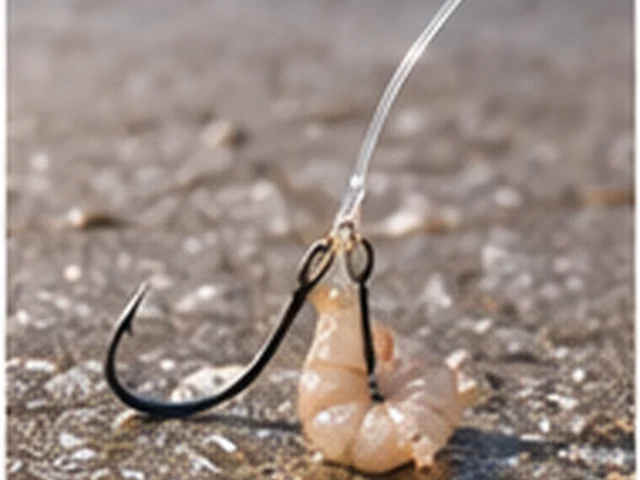
Freeline Rig Diagram & Gear List
No weight at all, just a hook tied straight to the line. Bait drifts naturally with the current, which spooky fish in skinny, clear water respond to better than a weighted rig.
Also known as: Floatline Rig (NZ, AU), Fly-Line Rig (US)
- Where to use it
- surf, pier, jetty, boat, kayak
- Difficulty
- beginner
Gear List
- main Line10-15 lb monofilament
- leaderNone, hook tied direct to main line
- leader LengthNo leader, hook tied straight to the end of the main line
- hook Range#4 - 1/0 circle hook
- weight TypeNone, unweighted
- sinker Drop LengthNot applicable, no weight used
How to tie the Freeline Rig
- Tie a #4 - 1/0 circle hook straight to the end of the main line with an improved clinch or Palomar knot.
- Hook the bait lightly so it can swim or drift naturally.
- Let the bait drift with current or down a chum or berley trail, feeding line so it sinks slowly.
- When line starts peeling off, let the circle hook come tight rather than striking hard.
When and where it works best
Clear, shallow water and berley or chum slicks where spooky fish reject a weighted bait.
How it differs from similar rigs
Lighter and more natural than a slip bobber rig, but you control depth only through current, time, and bait weight.
Is the Freeline Rig good for beginners?
Yes. It is rated beginner: quick to tie and forgiving to fish. Practice the connections in the knot guide, and see the Surf Rod for a matching rod.
What fish is the Freeline Rig good for?
Related Rigs
Common Questions
What do I need to tie a Freeline Rig?
A 10-15 lb monofilament main line, a None, hook tied direct to main line leader (No leader, hook tied straight to the end of the main line), a #4 - 1/0 circle hook hook, and a None, unweighted. Full gear list is above.
What is a Freeline Rig best for?
The Freeline Rig works best for surf, pier, jetty, boat, kayak fishing, and is a recommended setup for Opaleye, Snook, Tarpon, Permit. Difficulty: beginner.
Is the Freeline Rig hard to tie?
It is rated beginner. The knot guide covers the terminal connections used across RigMyFish rigs, so you can practice each connection separately before building the full setup.