A Slow Day Is Still Data
When nothing seems to work, the trip can still tell you something useful. Treat slow fishing as information instead of failure.
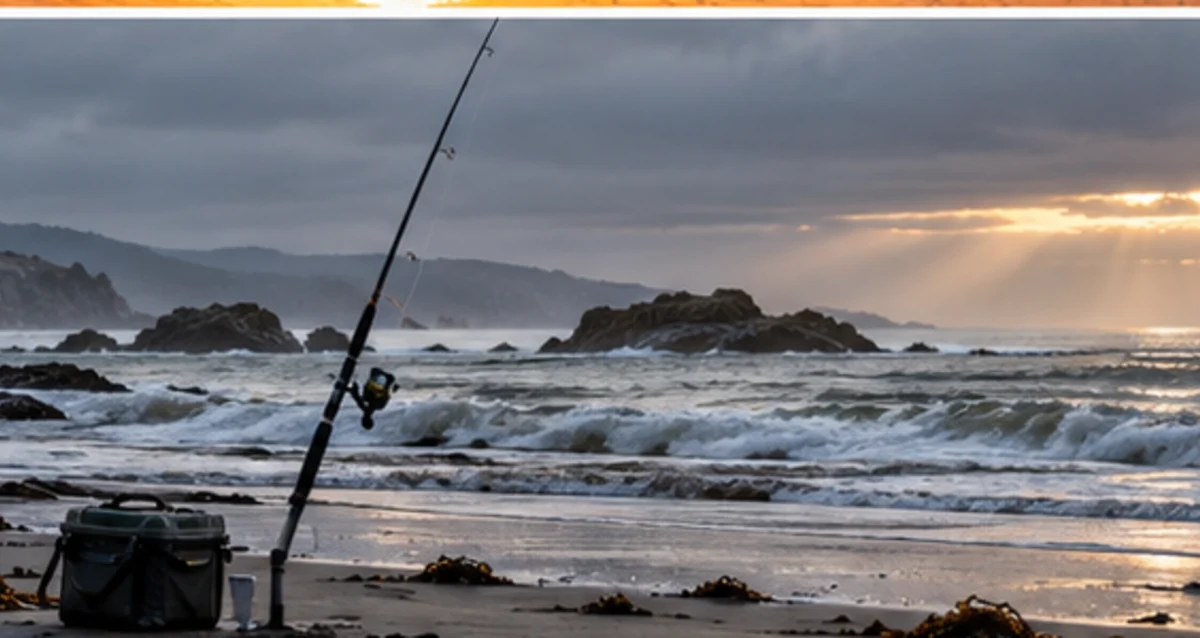
A slow fishing day can feel like nothing happened, but that is rarely true. You tested a location, a depth, a bait, a rig, a tide stage, or a weather condition. The mistake is changing everything at once and then forgetting what you tried.
Instead, make small changes. If the rig is holding bottom, leave it alone and change the casting lane. If the location looks good, change bait. If the tide is moving but the shallows are empty, look for a trough, seam, point, piling, weed edge, or drop-off.
The goal is not to turn fishing into a spreadsheet. It is simply to become more observant. Over time, those small observations become confidence.
What to take with you
- Change one thing at a time.
- Note the tide or current stage when activity changes.
- Record what did not work as well as what did.
- Use your next trip to test a specific idea.
More Field Notes
View all →
Sometimes the Best Catch Is Getting Out There
A reminder that a successful fishing trip does not always need a full cooler. Sometimes the real win is showing up, slowing down, and learning one new thing about the water.
Take the New Angler With You
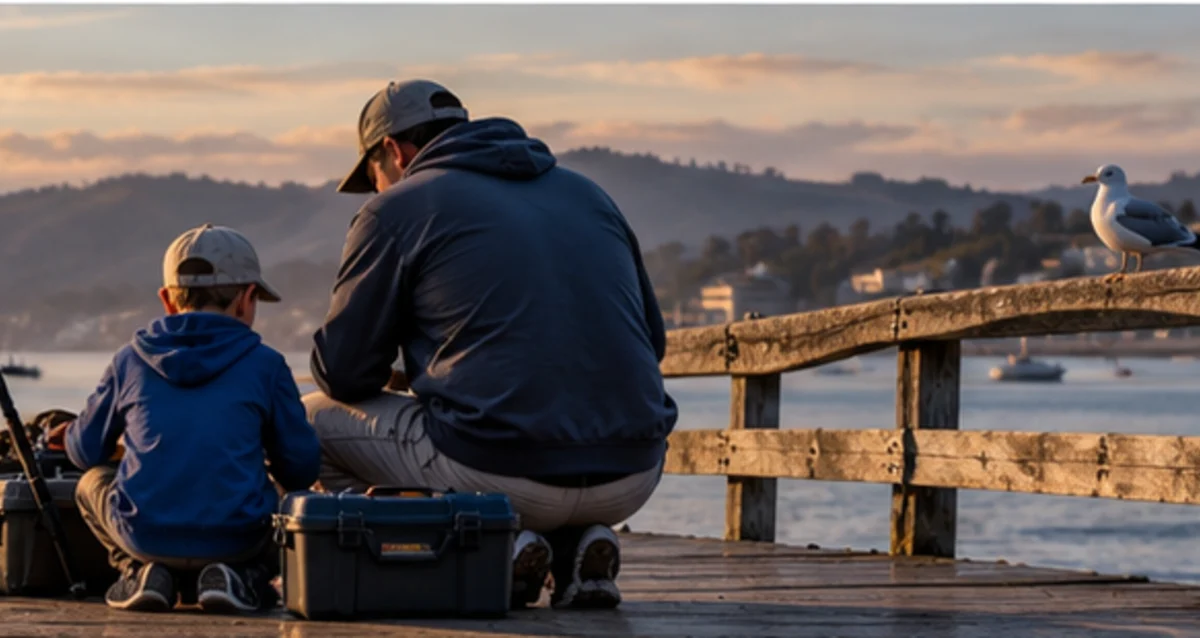
The most memorable catch on a trip may belong to someone fishing beside you for the first time. Keep the setup simple and make the experience the goal.